When the Crate Clears: Assigning Customs Risk in U.S.–Madagascar Equipment Gifts
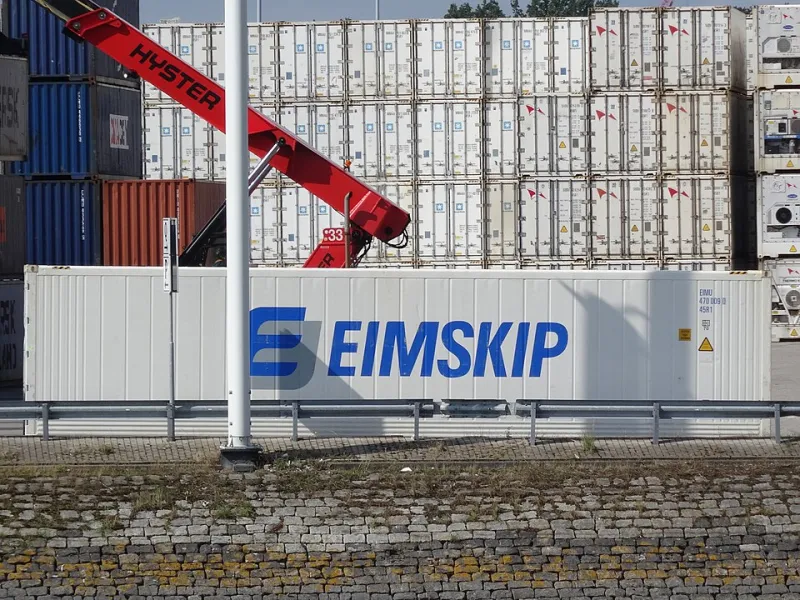
Photo: AgainErick, CC BY-SA 4.0, via Wikimedia Commons
Equipment gifts from U.S. organizations to Malagasy community partners often begin with good intentions and end with an invoice at the port. A donated generator, ultrasound machine, laptop set, or solar kit can clear freight only to meet a second obstacle: customs charges, broker fees, storage costs, and inspection delays that no one assigned in writing. The result is predictable. A community organization that never budgeted for clearance must choose between paying from program funds, leaving the goods in storage, or abandoning the shipment altogether.
For U.S. funders and their Malagasy partners, the solution is not a longer shipping manual. It is a tighter set of contract terms that treat customs clearance as part of the grant, not as an afterthought. The governing principle is simple: a donation is not complete when the container leaves the dock, and it is not complete when the crate reaches the port. It is complete at a verified handover, supported by a cost ledger and a signed receipt.
Begin with a responsibility matrix, not a shipping label
Every equipment donation agreement should include a plain-language table that names the party responsible for each cost and task. The table should cover international freight, cargo insurance, customs duties, import taxes, value-added tax where applicable, customs broker fees, port handling, demurrage, storage, inspection charges, inland transport, unloading labor, and—where necessary—disposal or return shipping.
A sentence such as “the recipient covers all local costs” is not a term. It is a risk transfer without a budget. If a Malagasy partner is expected to bear any clearance cost, the grant budget should show the amount, the basis for the estimate, and the process for reimbursement if actual costs exceed it. Otherwise, the agreement should state that the donor bears those costs directly or through a prepayment to a qualified customs agent.
This is not an unusual standard in U.S. grantmaking. Domestic grantees are rarely asked to absorb unanticipated freight charges from a restricted award. The same discipline should apply across borders.
Duties and taxes are not incidental
Customs duties and import taxes are often the largest unknown in an equipment gift. The donor may assume that a charitable exemption applies, that a partner’s registration status resolves the matter, or that a low declared value will keep charges modest. None of those assumptions belongs in an agreement without written confirmation.
Before shipment, the donor should obtain a dated written analysis from a qualified customs broker or legal adviser familiar with Madagascar import rules. The analysis should address the classification of each major item, the estimated duty and tax exposure, the eligibility of the receiving entity for any exemption, and the documents required for clearance. If eligibility is uncertain, the agreement should identify a contingency fund and name who controls it.
If a Malagasy partner must serve as importer of record under local law, the contract should say clearly that this role does not make the partner the default payer of duties. Where the partner advances funds, the agreement should set a reimbursement deadline, require receipts, and specify the exchange-rate method for repayment. A partner should never be asked to finance a donor’s customs obligation from community resources.
Clearance delays need a clock and a payer
Customs delays are not exceptional. They are a normal operational risk, especially when documentation is incomplete, valuations are questioned, or inspections are required. The agreement should define what happens as time passes, rather than relying on “reasonable efforts.”
A practical clause sets two triggers. After the first trigger—perhaps five business days beyond the expected clearance date—the donor assumes responsibility for storage and demurrage charges. After the second trigger—perhaps fifteen business days—the donor must choose among three options in writing: provide missing documents, redirect the shipment, or authorize return or disposal at donor expense. The Malagasy partner should have no obligation to hold the goods indefinitely or to pay accumulating port charges while waiting for a decision.
The clause should also require a named contact on each side, a weekly written status update during an active delay, and a rule that oral assurances do not modify cost responsibility. Clearance problems are easier to solve when both parties know who is watching the clock.
Ownership should transfer at verified handover
The agreement should state when title and risk pass. For donated equipment, the cleanest approach is to transfer ownership only after a joint inspection and a signed handover certificate. Until that point, the donor retains responsibility for customs liabilities, storage decisions, and freight-related costs, except where local law imposes a non-waivable obligation on the importer.
This distinction matters because a port receipt is not a handover. A port receipt confirms that a container arrived. It does not confirm that the correct items arrived, that they function, that accessories are present, or that the receiving organization has accepted them. The contract should say that no grant funds are considered fully expended, and no ownership is transferred, until the handover certificate is complete.
Address incomplete, damaged, and unusable goods
The agreement should require a joint inspection within a set number of days after clearance. The inspection should check quantities, serial numbers, visible damage, missing accessories, manuals and language availability, and basic functionality where appropriate. Photographs and a written exception list should accompany the certificate.
If goods arrive incomplete or unusable, the donor should be obligated to repair, replace, or remove them at donor expense, within a stated timeline. The agreement should also address disposal. A Malagasy partner should not become the custodian of nonfunctional electronics, expired supplies, or hazardous components. The donor should certify that the shipment contains no prohibited waste and should fund lawful disposal if the goods cannot be used.
Make the handover certificate the closing document
A verified handover certificate should include the date and location, a list of items received, condition notes, exceptions, photographs, signatures from authorized representatives, and a final cost ledger showing who paid duties, broker fees, storage, transport, and any other clearance charges. Where training or installation is part of the gift, the certificate should note completion before final payment or grant closure.
This document protects both sides. It gives the U.S. funder a defensible record of delivery and cost. It gives the Malagasy partner proof that the equipment was accepted in a defined condition and that no hidden customs debt remains attached to the gift.
Equipment donations should strengthen community programs, not create a second grant problem at the port. Terms that assign customs risk before shipment, fund clearance contingencies openly, and end at verified handover are not bureaucratic additions. They are the difference between a gift that arrives and a gift that can actually be used.