Paper Borders: Allocating Visa Risk Before a Malagasy Partner Packs
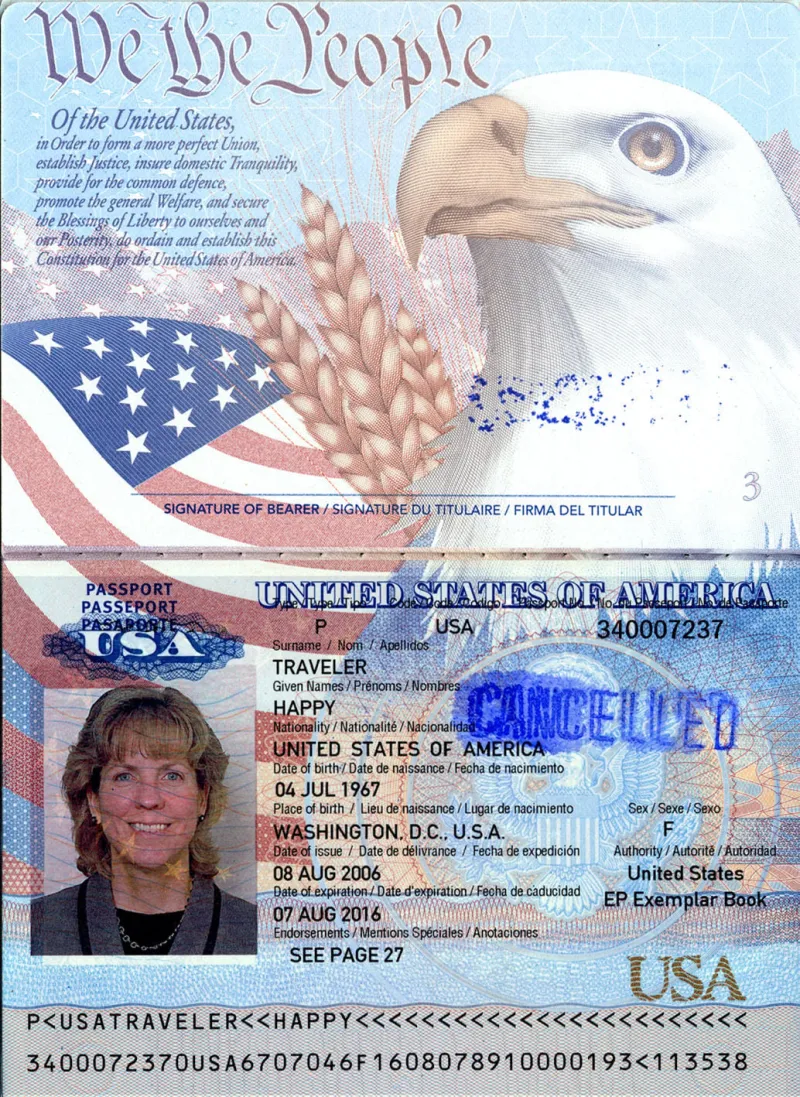
Photo: passport visa documents and invitation letter on desk, travel planning, no identifiable person, via bloximages.newyork1.vip.townnews.com
A conference invitation from a U.S. institution can look, from the American side, like the beginning of a straightforward exchange. For a Malagasy partner, it is often the start of an expensive, uncertain administrative process: paying the visa fee, gathering supporting documents, traveling to the embassy in Antananarivo or another designated location, arranging transit permissions, and waiting for an answer that may never be explained. When the partnership agreement is silent on these steps, the partner absorbs the cost and the risk. Silence is not neutral. It is an allocation.
Begin with the Appointment, Not the Airfare
Many exchange budgets are built around flights and hotel nights because those are the visible costs. The less visible costs arrive earlier: the machine-readable visa fee, passport photographs, courier services, translation or notarization of documents, domestic travel to the embassy, and sometimes an overnight stay before an early appointment. For a community organization with a thin treasury, these outlays can exceed a month of operating funds.
A defensible agreement names the visa-related costs it will cover and the mechanism for covering them. Will the U.S. host pay the fee directly where the system permits, reimburse against receipts, or provide a fixed allowance before the appointment? Reimbursement-only terms disadvantage partners who lack ready cash, so partnerships should consider an advance for documented categories. The clause should also state what happens if the appointment is rescheduled, the application is withdrawn, or the visa is refused: are incurred costs still reimbursed, and within what period?
The Invitation Letter Is a Controlled Document
The invitation letter is one of the few pieces of the visa file that the U.S. partner directly controls. It should be treated as a controlled document, not an improvised favor. The agreement can specify who drafts it, who signs it, what it may claim about funding, and what it must not promise. A letter that overstates the host’s financial responsibility or implies guaranteed entry creates risk for the applicant and confusion for the consular officer.
The Malagasy partner should retain custody of the passport except when it is submitted to the embassy, a designated courier, or another party named in writing. Passports are not ordinary attachments to a grant file. If a U.S. organization needs a scanned copy for planning, the agreement should say why, how it will be stored, and when it will be deleted. The invitation letter, meanwhile, should describe the purpose and dates of the visit, the source of funding, and the relationship between the parties in plain terms. It is an invitation, not a promissory note.
Transit Is Part of the Journey
A Malagasy traveler may need to pass through a third country to reach the United States, and that transit can require its own visa or authorization. The partnership should decide in advance whether transit costs and transit visa risk fall within the exchange budget. If the U.S. visa is granted but a transit permission is delayed or refused, the agreement should identify who bears the cost of rebooking and whether the visit can be rerouted.
Practical terms help. The agreement can require that tickets not be purchased until the U.S. visa is issued and transit requirements are confirmed. It can favor routings with simpler transit rules where feasible, and it can assign responsibility for monitoring transit requirements to the host, the partner, or a named travel coordinator. These details are not bureaucratic decoration; they determine whether a granted visa becomes an actual visit.
When the Answer Is No
A visa refusal is an administrative outcome, not evidence of a partner’s unreliability. Yet in practice, a refusal can damage reputations inside both organizations. Colleagues may whisper that the partner was not ready, not credible, or not worth the investment. A well-drafted agreement interrupts that story before it starts.
The contract should state that a refusal does not constitute breach, does not trigger penalties, and does not by itself reduce the partner’s standing in the collaboration. It should provide a neutral notice procedure and a confidentiality default: neither party will characterize the refusal publicly without the other’s consent. It should also name alternatives that keep the work moving, such as virtual participation, a rescheduled visit, a delegation led by another colleague, or a meeting held in a third location. Reimbursable costs incurred in good faith should still be paid.
The Reputational Ledger
U.S. hosts often underestimate how much social capital a Malagasy partner spends simply by applying. The partner may need to explain the trip to a board, a family, a employer, or a community. A refusal can feel like a public verdict. Partnership terms should therefore include a short communications protocol: who speaks to funders, who informs the board, and how the pair describes the outcome jointly. Neutral language matters. “The visa was not issued” is a fact. “The partner failed to obtain a visa” is a judgment.
A Short Clause Set
Before the invitation is sent, the parties can settle six points in writing: a schedule of visa-related costs and the payment method; passport and document custody; the scope and signer of the invitation letter; the timing of ticket purchases; a refusal contingency with reimbursable costs and alternatives; and a joint communications approach. None of these clauses guarantees a visa. They do something more modest and more useful: they prevent an unpredictable government process from quietly becoming a private test of the partner’s worth.
Exchange visits are valuable precisely because borders are real. A partnership that plans for the border is not being pessimistic. It is being honest about where risk sits, and deliberate about who should carry it.