A Calendar Built for Madagascar: Milestones, Cyclones, and Accountable Flexibility
A grant agreement can look rigorous on paper and still be poorly designed for the place where it will be implemented. This is a familiar problem in U.S.–Madagascar partnerships. A U.S. partner builds a calendar around its fiscal year, board meetings, and quarterly reporting expectations. The Malagasy grantee then tries to carry out activities during rice planting, cyclone risk, school exams, or communal obligations that were never reflected in the schedule. The result is predictable: delays are treated as performance failures, reporting becomes a scramble, and payment timing creates avoidable stress.
The answer is not to abandon milestones. It is to design a Madagascar-sensitive milestone calendar that distinguishes accountable flexibility from vague intentions. U.S. partners can preserve oversight while acknowledging seasonal realities in the terms of the partnership.
A U.S. calendar is not a neutral calendar
Every calendar encodes assumptions. A quarterly reporting schedule assumes that activity is roughly continuous and that data are equally available throughout the year. A fixed implementation period assumes that roads, power, and staff availability are stable. A payment schedule tied to calendar dates assumes that progress can be predicted in advance. In Madagascar, those assumptions often collide with agricultural labor peaks, cyclone season, and school terms. The collision is not a sign of poor commitment. It is a sign that the schedule was written for the wrong operating environment.
The seasonal realities that should shape milestones
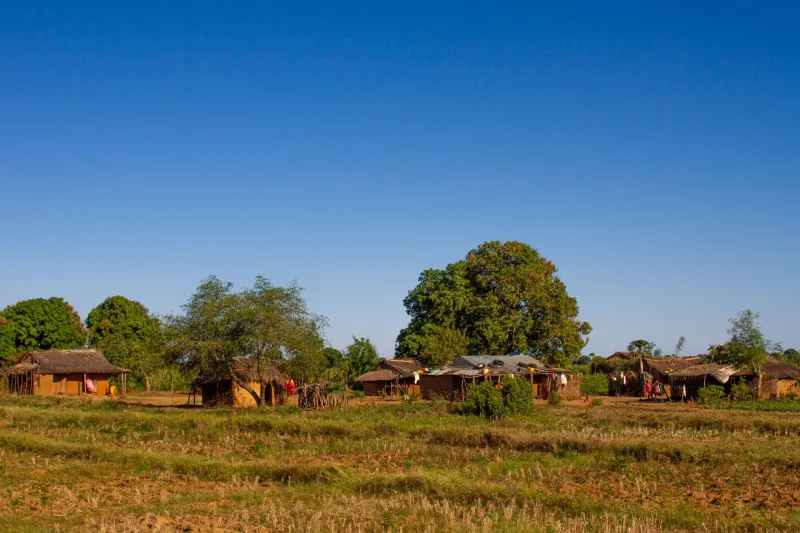
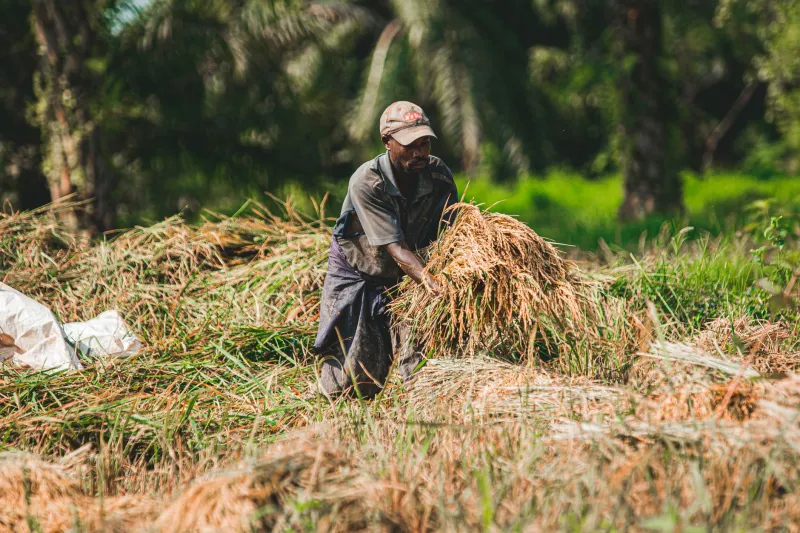
Rice cultivation is central to rural livelihoods in many parts of Madagascar, and planting and harvest periods create intense labor demands. These periods vary by region and by year, so the agreement should not impose a single national calendar. Cyclone season, generally running from late November through April, can disrupt transport, communications, meetings, and data collection. School terms influence the availability of parents, teachers, students, and local officials. Community obligations, including ceremonies and communal work, also shape when meetings and activities are realistic.
U.S. partners should ask the Malagasy grantee to provide a seasonal calendar during proposal or inception. That calendar should be treated as an annex to the agreement, not as background information that is forgotten after approval. It can identify peak labor periods, high-risk travel months, school holidays, and known community events that affect implementation.
Replace fixed dates with milestone windows
A fixed date says that an activity must be completed by a specific day. A milestone window says that an activity must be completed within a defined period, subject to evidence and notice. For example, a training milestone might be written as a window after harvest rather than during harvest. A baseline study might be scheduled before the rainy season or after roads reopen, depending on the region. The agreement should define the window, the evidence required to confirm completion, and the process for adjusting the window if conditions change.
Windows are not loopholes. They are more honest than dates that ignore local conditions. Each window should have a clear start, end, evidence standard, and responsible party. The grantee should not be able to move a milestone indefinitely without written justification and approval.
Write a cyclone-aware suspension clause
Generic force majeure language is often too vague for cyclone-exposed work. The agreement should identify what triggers a suspension, who determines that a trigger has occurred, how notice is given, and how the schedule is adjusted. Meteorological authority can come from a recognized weather service or official government notice. The clause should distinguish a short disruption from a major emergency, require a communication plan, and provide for an automatic extension where a verified cyclone event makes performance impossible.
At the same time, suspension should not become a blank check. The grantee should provide a revised schedule, and the U.S. partner should approve material changes in writing. The goal is to protect people and deliverables, not to erase accountability.
Tie payment triggers to verified deliverables, not calendar pages
U.S. partners often prefer payments on fixed dates because they are easy to administer. But calendar-based payments can create pressure to report progress that has not occurred, or they can leave a grantee without cash during a season when work is possible. A better approach is to tie payments to verified deliverables within agreed windows. Payments can be released on or before a window closes once evidence is reviewed. Where seasonal work requires upfront cash, the agreement can provide advances with documentation and reconciliation.
Partial payments for partial completion can also reduce risk. The key is to define what counts as evidence: a report, attendance record, photo documentation, receipt, community verification, or independent review. Payment triggers should be clear enough that neither party has to improvise.
Design reporting cadence around workload
Quarterly reports may be appropriate for some grants, but the due dates should not fall during peak harvest or immediately after a cyclone. The agreement can use a reporting calendar with windows rather than exact dates, and it can allow short pulse updates during busy periods followed by fuller narrative reports later. Mobile-friendly formats and offline data collection may be more realistic than complex online systems. Community review of reports should be built into the schedule where it adds value.
Reporting should also distinguish between a missed deadline and a missed deliverable. A late report caused by a road closure is a different governance issue from a failure to complete an activity. The terms should say so.
Build a variation protocol that keeps flexibility accountable
Flexibility needs a procedure. The agreement should require written notice when a milestone window is at risk, a reason, a proposed revised schedule, and an approval step. Material changes should be documented and approved by the appropriate authority, whether that is a program officer, a grants committee, or a board. A contingency reserve can cover seasonal delays without reopening the entire budget. A simple dashboard can show which milestones are on track, at risk, or suspended.
An annual re-baselining conversation can also help, especially for multiyear grants. It allows both parties to review the seasonal calendar, update assumptions, and adjust the next year's windows before problems accumulate.
A sample clause architecture
A Madagascar-sensitive calendar does not need to be complicated, but it should be complete. Useful components include a seasonal calendar annex, milestone windows with evidence standards, a payment schedule linked to verified deliverables, a cyclone-aware suspension clause, a variation protocol, a reporting calendar, and a dispute-resolution path. U.S. partners should treat these as governance tools, not as concessions. They make the partnership more predictable for everyone.
The test of a milestone calendar is not whether it looks tidy in a U.S. office. It is whether it can survive contact with rice season, cyclone warnings, school terms, and community life while still showing whether the work was done. Accountable flexibility is not weaker oversight. It is oversight designed for the place where the partnership actually operates.